Outbreak of Mpox clade 1b in East Africa - and vaccine availability for returning healthcare workers
SEP 11, 2024
.png "Outbreak of Mpox clade 1b in East Africa - and vaccine availability for returning healthcare workers")
As widely reported in the mainstream media, the WHO has recently declared a new public health emergency of international concern (PHEIC) on 14th August 2024, concerning the emerging outbreak of Mpox clade 1b in East Africa, particularly the Eastern Democratic Republic of Congo (DRC) and neighbouring Burundi, Rwanda and Uganda.
Mpox 1b is more transmissible and more likely to lead to severe disease and death (4 per 100 infected) than the previous clade 2 global outbreak, which primarily affected men who have sex with men and sex workers.
The defining symptoms of Mpox are of a distinctive, itchy rash, which then turns into blisters, then scabs, which fall off, leaving scars. It is similar to Smallpox, although generally still far less severe. Early symptoms include fever, chills, headache, backache, muscle ache, fatigue and swollen lymph nodes, which all typically occur before the rash develops. Mpox is spread by respiratory droplets and close bodily contact.
For most people at risk of the disease in Africa, the only means of prevention currently available is by avoiding close personal contact (hugging and upwards) and perhaps wearing a face mask in crowded situations or health care situations. Older people, previously vaccinated against Smallpox before 1971 in UK - or before 1977 in Africa - should still have some residual protection.
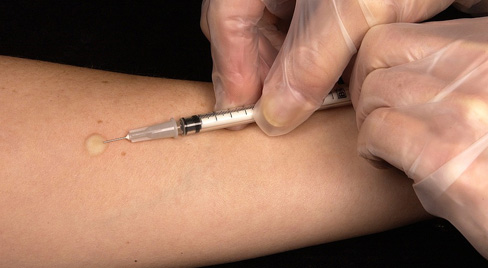
There are two, newer (and safer) intra-dermal Smallpox vaccines which are effective at preventing transmission of Mpox, but these are not being rolled out at population level anywhere yet. In the UK, these vaccines are currently still only available to high-risk groups for the previous Clade 2 outbreak, i.e. men who have sex with men and sex workers via the Genito-Urinary Medicine (GUM) clinics.
Unsurprisingly, we at TrExMed Travel Clinic Edinburgh have had a number of enquiries from travellers about to travel the above high-risk destinations, and/or at higher risk due to their medical history. We have offered our services to the Immunisation and Emerging Diseases Teams at the Scottish Govt. and Public Health Scotland to help selectively vaccinate such high-risk travellers (we are experts at giving intra-dermal vaccinations, after all) - but have so far not received any response...
…We have since learned on the grapevine that there are currently the JCVI does not recommend offering the vaccine to travellers. It remains a restricted stock item, i.e. not commercially available for independent clinics to order.
However, there is some light on the horizon for healthcare workers working in Clade 1 affected regions, wishing to return to work in those areas:
→ Please see the following UK Govt. link for how to register under the Returning Workers Scheme with UKHSA to be be considered eligible to receive the vaccine via designated Govt. providers: https://www.gov.uk/guidance/mpox-clade-i-returning-workers-scheme
© Jim Bond, Sept 2024