Japanese Encephalitis
Japanese Encephalitis vaccine is one of the more commonly requested travel vaccinations we provide at TrExMed Travel Clinic Edinburgh.
Japanese Encephalitis virus (JEV) is a potentially very serious infection, which is endemic in 24 Asian countries plus Australia (since 2023), with an estimated 100,000 human cases per year and 25,000 deaths. It is mainly transmitted by Culex mosquitoes, which typically bite outdoors in the evening and early morning.
The natural hosts for the virus are water birds, such as herons, egrets and ducks. It is spread to people via mosquito bites, although domestic pigs may also act as an amplifying, intermediary host. This may then lead to unpredictable outbreaks of human infection, particularly among younger children in rural areas who have no immunity, either naturally or via vaccination.
JEV infection usually leads to low blood levels of virus in humans, which is why it tends not to be transmitted on from one person to another, directly or via mosquito.
This is the classic, 'textbook' disease pattern of Japanese Encephalitis, and how it typically affects local people in rural areas, especially near paddy fields in the monsoon season. Most local cases (87%j occur in four countries: India, Nepal, China and Vietnam, but this may partly be a reflection of vaccination coverage.
The evidence for risk among travellers
Recent evidence, looking at travellers who develop the disease, reveals quite a different risk pattern: There were at least 21 confirmed cases among visitors to Thailand returning to Western countries reported between 1992 and 2013 (i.e. on average about one per year). Of these, most had only been to Bangkok and/or the tourist resorts in the South; 71% had been short-term travellers (4 weeks or less) and a third had been infected in the dry season. Another study from South Korea found that 42% of local cases there occurred in urban or suburban areas.
Unlike malaria and dengue, it is harder to predict or map which locations are at risk of Japanese Encephalitis infection since it is usually transmitted from a bird or a pig (not another human): we can't therefore simply extrapolate from local incidence among people. Most people living in high risk areas are routinely vaccinated or become naturally immune as children, which also complicates the picture, so are actually at lower risk than travellers.
How serious is Japanese Encephalitis disease?
It is estimated that 1 in 25 mosquito bites by a mosquito carrying JEV leads to infection in a non-immune person. Although most infections are mild, in about one in 250 people, the virus can then go on to penetrate through to the brain, causing severe disease, with headache, high fever, disorientation, coma, seizure and spastic paralysis. Milder forms of disease including meningitis and vague febrile symptoms can also occur.
Most severe cases will require hospitalisation with intensive care. Typically, up to 30% of cases are fatal, another 30-50% have permanent, severe symptoms of neurological damage or disability, and the remainder make a full recovery. The disease is less commonly serious in children, but relatively more so in the elderly (50% case fatality rate over 60 yrs).
Among travellers, Japanese Encephalitis (the disease) is more common and has a higher case fatality rate than its African and South American cousin, Yellow Fever.
Japanese Encephalitis prevention
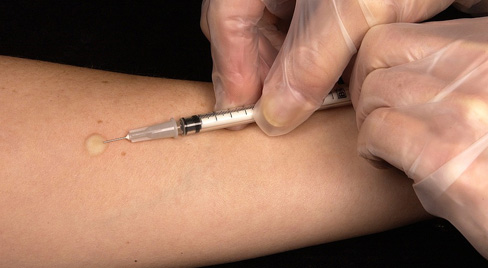
- Fortunately, there is a very safe and effective vaccine available, Ixiaro. This is the only JE vaccine licensed in Europe, and needs to be given in a course of at least two primary doses, at least one week apart. A third dose is recommended 1-3 years later, if planning to return to an endemic risk area, which extends protection to at least 10 years, possibly 20.
- For those whose itinerary permits, there are also two alternative, single-dose, 'live' vaccines: Imojev, licensed in Australia and parts of SE Asia, and CD.JEVAX, licensed in China and SE Asia. These are both very effective - and possibly cheaper - alternatives to the one licensed in Europe. The only downsides are: a) medical contraindications in some people (same as for YF), b) having to find and organise a clinic appointment locally and c) a live vaccine can take 7 to 14 days for the immunity to become effective.
- Avoid getting bitten! Use insect repellents in at-risk areas. Even if you are protected against Japanese Encephalitis you may still be at risk from dengue, chikungunya and zika viruses (all spread by aggressive day-biting mosquitoes) in many parts of Asia.
© Jim Bond, updated August 2025