Dengue
Dengue is now the most rapidly increasing tropical disease risk in the world, with a ten-fold increase in cases over the past 20 years. It affects hotter parts of Asia, the Americas, Africa (where it is often undiagnosed or mistaken for malaria) and parts of Southern Europe. 2024 saw the greatest number of new cases ever, following an El Niño* event: Over 14 million cases and 10,000 deaths were reported globally that year, of which the majority were in the Americas (9.5 million in Brazil alone in first 9 months). Using the 'dog-bite yardstick', symptomatic dengue is now one of the few vaccine-preventable disease risks more common than a potentially rabid dog bite (3-4x the risk in hotter, endemic parts of the world).
*NB: Another, 'Super-El Niño' event is predicted (81% likelihood, according to UN) to occur in late 2026...
Dengue virus, like its close cousin, Zika, and (unrelated) Chikungunya, is usually transmitted to humans via the bite of one of two aggressive, day-biting mosquito species: the pan-tropical Aedes (Stegomyia) aegypti and the invasive, cold-tolerant, Aedes (Stegomyia) albopitus, which has been spreading into new parts of the world in recent decades. Both species are perfectly adapted to the urban, human environment, and can breed in small pockets of water in e.g. used car tyres or house plant pot saucers. Outbreaks of dengue can occur in monsoon season, but also after an unusually hot, dry period caused by El Niño or during intermittent water shortages, when pans of water are often filled and left in kitchens to store water.
As global temperatures rise it is predicted that that dengue will displace malaria as the predominant infectious cause of fever in coastal parts of West and East Africa, with malaria moving more inland into more upland areas, previously unaffected.
Dengue infection can essentially lead to three different disease outcomes:
- No symptoms (75%)
- Dengue fever (25%), with some or all of the following: high fever, rash, headache, pain behind the eyes, muscle pains, joint pains, nausea, diarrhoea, vomiting and abdominal pain. Most people make a full recovery.
- Severe dengue (~1.25% i.e. ~5% of those with symptoms): The above dengue symptoms plus rash, bruising, bleeding, circulatory collapse, shock etc. Severe dengue can be fatal and should ideally be treated in hospital with careful i.v. fluid titration.
Prevention
There are four main serotypes of dengue virus worldwide, DENV-1, 2, 3 and 4. If you are infected with one serotype, knowingly or unknowingly, you will make antibodies and become immune to that particular serotype two weeks later - for life, along with temporary cross-protection against the others.
However, the bad news is that temporary cross-protection disappears after about 6-18 months, so if you are subsequently infected with a second, third or fourth serotype a few years later, you may then develop the syndrome we now call: 'severe dengue'.
Severe dengue is essentially an amplified secondary infection, indirectly caused by virus-antibody complexes formed with the antibodies you already have. These 'immune complexes' have a pre-determined affinity to bind with receptors on the walls of certain immune cells (monocytes), which then leads to a rapid rise in infected cells and later a release of large/overwhelming amounts of virus into the bloodstream all at once (viraemia).
The main preventative message for travellers until recent years has simply been to be aware of the risk and to try not to get infected the first time by using an effective insect repellent such as Mosiguard Extra spray or DEET, particularly around the ankles and feet...
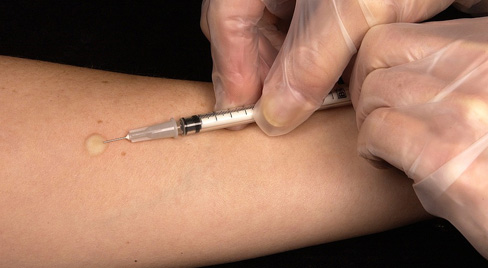
...However, at long last, a new dengue vaccine, TAK-003 (Qdenga), is now available. Other dengue vaccines are in the pipeline, including TV003 (Butantan-DV), but this is only going to be available in Brazil once it is approved, so Qdenga is the only one likely to be offered in Europe for the next few years...
The evidence so far shows Qdenga to be of most benefit to travellers who:
- Are at risk of a second or subsequent infection, i.e. known or suspected to have previous dengue infection, or who have spent much time in dengue endemic regions in the past
- With chronic medical conditions, such as diabetes, hypertension, kidney disease, sickle cell, or simply at increased age: (higher risk of severe dengue)
- Are likely to travel frequently in the future to hotter parts of the world
Protection is not 100%, but the evidence shows that overall, it is 90.4% effective at 18 months post-vaccination at protecting against dengue severe enough to cause hospitalisation. By 4½ years this drops to 84.1% overall, i.e. 85.9% in seropositive individuals (those previous infected) and 79.3% in seronegative (those infected for the first time).
In addition, Qdenga is particularly effective (97%) against DENV-2, the serotype most likely to lead to hospitalisation (up to 7x more commonly than the other serotypes).
Two doses of Qdenga are required for long-lasting immunity, which have to be given at least 3 months apart, although there is still some short-term benefit to being vaccinated at least 14 days before travel. For more info about the vaccine itself, please read here.
→ Please also read our News articles on the latest WHO recommendations on the use of Qdenga - and the recent JCVI guidance here.
What to do if you think you might have dengue:
- If you think you may have symptoms suggestive of dengue (particularly fever or bruising), you should attend a hospital or doctor ASAP, not least to rule out malaria or other serious conditions.
- Do NOT take aspirin, ibuprofen of any other, non-steroidal anti-inflammatory drugs if you suspect dengue, because if it is, these could make you more likely to bleed! Paracetamol is a much safer alternative to treat the headache, pain and fever of dengue fever.