Tick-borne diseases
There are over 800 species of ticks in the world, which together transmit a wide range of bacterial, viral, protozoal and allergic diseases.
Essentially, they fall into two main types: hard ticks (700 species) and soft ticks (170 spp.) They all need a relatively warm and humid (micro-) climate in order to grow.
Hard ticks (Ixodidae)
Hard ticks typically wait on a grass stem to jump or climb onto a passing animal. They are particularly attracted to shady parts, e.g. up a skirt, short or trouser leg. From there they crawl upwards until they find a nice soft place, e.g. around the waistline, before they start to feed, which may be up to 48 hours later. Hard ticks only need a blood meal three times in their lives when metamorphosing from one growth stage to the next.
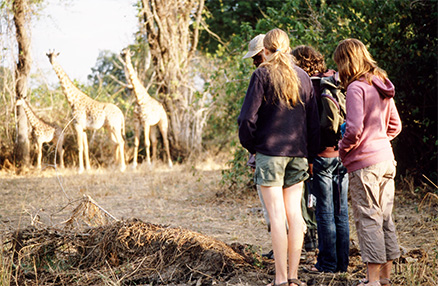
They are mainly encountered in the transition brush zone between a wooded area and grassland, where their usual prey, such as deer, often hang about. Travellers who are camping or hiking in forested parts of Europe, or on a walking safari in Africa are particularly at risk.
Examples of human diseases transmitted by hard ticks include:
- Lyme borreliosis (Borrelia burgdorferi, B. afzenii, B. garinii etc.) - six species in Europe, one in N. America
- Tick-borne encephalitis (TBEV, a flavirirus)
- African tick-bite fever (Rickettsia africae)
- Rocky Mountain spotted fever (Rickettsia rickettsia)
- Tularaemia (Francisella tularensis)
- Crimean-Congo haemorrhagic fever (Bunyavirus)
- Babesiosis (Babesia, a protozoal piroplasm)
- Colorado tick fever (Coltivirus)
- Mammalian meat allergy (Alpha-gal, a carbohydrate)
Bite avoidance
Most hard ticks are attracted by movement and shade rather than by scent, so insect repellents such as DEET have relatively little effect. The only sure way to prevent them reaching your nether regions is to tuck your trousers into your socks and your shirt into your trousers. You should also be very careful squatting in a skirt among long grass/bracken etc., as this provides a classical opportunity for jumping hard ticks.
Regular inspections of the skin, particularly around the waistline should be carried out in the evening and any ticks promptly removed with a fingernail or tick remover to avoid expressing the contents of the tick's abdomen. If a 'target rash' (circular, red ring around a bite site) occurs, particularly one with a black centre ('eschar'), this is a sign that a bite was probably by a tick, and may be significant.
Systemic symptoms e.g. fever, headache or fatigue following a confirmed or suspected tick bite should be treated with doxycycline, or a suitable alternative in children.
Tick-borne encephalitis (TBE)
TBE virus is a flavivirus, related to Japanese encephalitis, yellow fever and dengue. The risk area forms a broad belt from France and Southern Norway in the west through to Kamchatka in the east. Three geographical subtypes have been identified, each with its own species of tick vector. The disease outcomes vary from west to east, with a case fatality of around 0.5% in Western Europe through to 20% in Eastern Siberia.
- TBE virus has recently been found in ticks in various parts of the UK from the New Forest to the Highlands. It was only a matter of time for it to reach these shores, as ticks are known to have been dispersed around other parts of Europe on the legs of migrating crows or other corvids. Four probable / confirmed human cases of TBE have so far been diagnosed, with one (confirmed) in the Loch Earn area in 2022 and another recently in Northern England. The combination of temperate rainforest vegetation and wetter, warmer summers mean that the Scottish Highlands are a perfectly suited habitat for these wee beasties and therefore this virus. Hopefully, vaccination shall soon be offered to people at high risk of infection via the NHS.
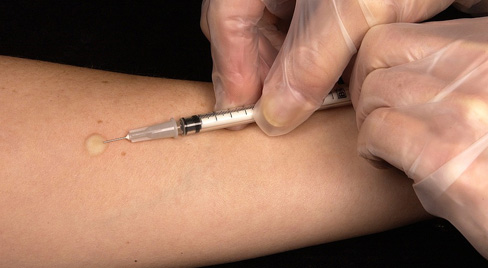
TBE is preventable by vaccination. All children of school age are routinely offered this vaccination in Austria and in high-risk districts in Germany. Like inactivated Japanese encephalitis vaccine, TBE vaccine requires a primary course of three doses for long term protection, although two doses before travel provides good protection in the short term.
In Scandinavia, 3-yearly boosters are still officially recommended (and annual ones in the elderly), although this frequency (unsurprisingly) leads to poor initial uptake among the general population. However, the evidence from Switzerland, where 10-yearly boosters has been the public health policy since 2006, indicates that this is more than enough for people first vaccinated early in life (under 50 years old). At TrExMed, we have been advising travellers to risk areas of Europe and Asia for over 15 years and are therefore relatively knowledgable on the subject: Having reviewed the international evidence (including the manufacturer's own data), we advocate the 'Swiss approach' to boosters, not least because we know this encourages vaccination uptake in the hesitant.
Lyme borreliosis (Lyme disease)
Transmission of Lyme borreliosis can only occur once an infected tick has been attached for 48 hours, as these Borrelia species have to undergo an antigenic change first (triggered by the tick starting to feed), in order to successfully infect a new mammal.
The evidence is that treatment with antibiotics is only required if there are systemic symptoms (see above) shortly after the bite and/or a target rash ('erythema migrans') which continues to expand after the tick has been removed.
There have been three, very effective vaccines developed against Lyme borreliosis: the first in USA in the 1990s against one species, the other two subsequently in Europe (against all six species). These all work by an ingenious double method of prevention whereby ticks who bite vaccinated people in themselves then also become indirectly 'vaccinated' and no longer transmit disease. Unfortunately, due to the first Lyme vaccine being withdrawn from the market due to safety concerns (arising from claims of associated severe arthritis reported via the internet and social media, which have since been disproved by the CDC and FDA), it seems highly unlikely that any drug manufacturer will now be brave enough to bring a Lyme vaccine to market.
Soft ticks (Argasidae)
Soft ticks, by contrast, tend to live alongside their usual prey in cool, dark places such as rodent burrows, caves and the nests of birds. They feed frequently and quickly, usually biting within 15-30 minutes of finding some human skin. They are extremely hard to kill and may live up to 15 years. The soil floors of traditional African huts are often hoaching with them. Anthropologists and eco-tourists sitting on the ground in a structure such as this (even on a mat) are at particular risk.
The most significant human disease transmitted by soft ticks is tick-borne relapsing fever (TBRF), a disease first observed and described by Dr David Livingstone in 1855 in Angola. The causative agent is one of up to 23 implicated species of Borrelia, but most commonly B. duttoni in Central, East & Southern Africa, or B. crocidurae in the North. Unlike the very low concentrations of Borrelia in Lyme disease, transmission by soft ticks can lead to extremely high blood concentrations (106/ml) which aids transmission, including from mother-to-child.
[TBRF should not be confused with African Tick Bite Fever, which usually has a less serious potential outcome, although it still not much fun, as Jim knows first-hand].
As its name implies, TBRF leads to relapsing episodes of high fever. It is frequently misdiagnosed in Africa for falciparum malaria, especially with the increasing reliance on rapid diagnostic tests in the field, rather than lab microscopy for diagnosis. The only clinical difference is that cases are more frequent in the Dry Season, and the fevers possibly higher during crises. Case fatality rate estimates vary from 2-40%, with abortion and perinatal mortality rates as high as 50% in Central Tanzania.
As with most tick-borne diseases, definitive treatment is with doxycycline (or a suitable alternative in children), together with i.v. fluids for hypotensive crises, both of which may be life-saving.
©Jim Bond, 27th March 2024