New WHO position paper on dengue vaccines - May 2024
MAY 31, 2024
.png "New WHO position paper on dengue vaccines - May 2024")
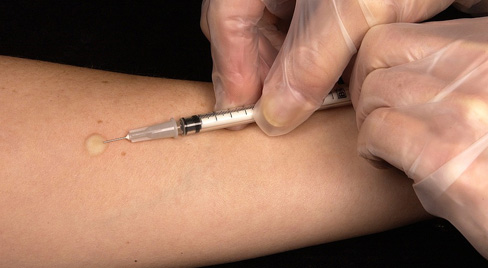
On 3rd May 2024, the World Health Organization (WHO) issued its third position paper on dengue vaccines, this time focussing mainly on the second licensed vaccine, Qdenga (TAK-003) and its use both to protect local populations living in areas at risk of dengue and for travellers.
This new paper supersedes the precautionary guidance issued by JCVI in the UK on 21st March 2024.
History:
- The first dengue vaccine, Dengvaxia, initially rolled out in the Philippines and Brazil, was found to have a side effect known as Vaccine-Associated Enhanced viral Disease (VAED), whereby some ‘seronegative’ individuals, i.e. people who had not been infected with dengue previously, were later found to actually be 2.4x more likely to develop dengue symptoms requiring hospitalisation than seropositive people if later infected naturally for the first time with a different dengue serotype. For this reason, the manufacturer introduced a requirement that all people starting a course of Dengvaxia should be tested for antibodies first and only vaccinated if seropositive.
- In light of this experience, the WHO imposed additional strict criteria for the development of dengue vaccines. The Phase III clinical trials (running since 2019) for the second, licensed dengue vaccine, Qdenga, were therefore rigorously stratified to take account of serotypes in subsequent real world exposures, specifically to check whether it was associated with the same problem.
- Unfortunately, although the long-term (5 years) safety and efficacy data for those exposed to DENV-1 and DENV-2 infections has been impressive, there happened to be insufficient dengue virus of serotypes 3 and 4 in circulation in the trial site areas over that time period. The trial results have thus so far been statistically underpowered to be able to safely rule Qdenga out or in, in terms of VAED risk and/or efficacy for these two serotypes.
- However, in the first four months of 2024 there has been a record number of dengue infections in a large, El Niño-related epidemic affecting South America (with 9.5 million infections in Brazil alone in the first 9 months). This year's epidemic has included significant numbers of DENV-3 and DENV-4 cases and Qdenga has been used at national level to help limit the mitigate the impacts of the disease. The one silver lining is that we should soon have much better data and a definitive answer to the theoretical question about the risk of VAED with Qdenga - and similarly for a third new dengue vaccine currently undergoing Phase III trials in Brazil, Butantan (TV0003), which is likely to be approved as early as 2025.
The WHO's current recommendations for Qdenga are:
A: For people living in high risk endemic countries:
- WHO recommends that countries consider introducing TAK-003 (Qdenga) into their routine immunisation programmes into areas with a high risk of dengue transmission.
- TAK-003 (Qdenga) is recommended by the WHO for all children from ages 6*-16 years in such national programmes. (*The raised lower limit is because of the relatively lower efficacy found in ages under six and the lower likelihood of having been infected a first time at that age group).
- TAK-003 (Qdenga) is also particularly recommended for all people up to age 60 years with co-morbidities which make them at higher risk of severe disease outcomes from dengue, such as sickle cell anaemia, diabetes, hypertension or bleeding tendencies (e.g. ulcerative colitis).
- Medical contra-indications include: pregnancy, lactation and immune deficiency, including chemotherapy, high doses of systemic corticosteroids and symptomatic HIV infection or asymptomatic HIV infection with impaired immune function.
- Pre-vaccination screening tests are not recommended in high-risk endemic countries for TAK-003 (Qdenga), although adults should be informed about the uncertainties with regard to efficacy and side effects in DENV-3 and 4 infections due to current lack of trial data.
B: For travellers:
- Travellers living in non-endemic countries who have previously been infected with any dengue virus may well benefit from Qdenga vaccination to prevent a second (and hence potentially more severe) dengue infection when travelling again to a risk area.
- Frequent travellers, long-term travellers, migrants and long-term expatriates have a higher likelihood of previous dengue infection (and therefore more likely to be seropositive) compared with first-time or short-term travellers.
- The benefits of vaccination with Qdenga are lower for travellers who have never experienced dengue infection (i.e. seronegative)
- Travellers should be informed that the vaccine may not confer protection against DENV-3 or DENV-4 if they are seronegative, and there is a potential [theoretical] risk of severe dengue if seronegative individuals are exposed to DENV-3 or DENV-4.
- Although pre-vaccination screening (blood testing) to determine serostatus is not required, where available, its use could be used to inform the assessment of benefits and risks.
- Protection starts 14 days after the first dose and has been demonstrated between the first and second dose; hence the first dose can be given at least 14 days before travel to an endemic country. To ensure durability of the protection, a second dose is needed after a minimal interval of 3 months.
- Until more data become available, WHO recommends a lower age limit of 6 years and an upper limit of 60 years in travellers.