Post Travel Investigations
SCHISTOSOMIASIS (Bilharzia) testing
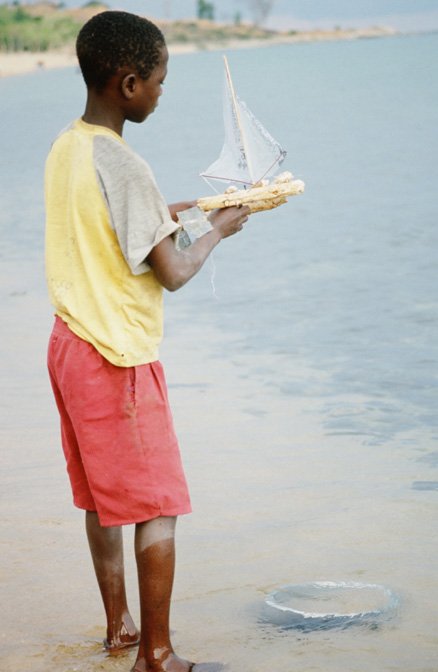
Schistosomiasis, a.k.a. Bilharzia, is a disease caught by contact with fresh water in parts of the tropics, e.g. through bathing, wading or swimming. An estimated 250 million people worldwide are actively infected with a further 440 million affected by residual debility. Chronic schistosomiasis is a major cause of poor physical, intellectual and economic development, and chronic health problems particularly in Africa, where 93% of cases occur. For more info on how to minimise your risk of infection, please visit our specific Schistosomiasis information page.
Early recognition is important in order to prevent potentially more serious long-term complications such as bladder cancer, transverse myelitis or epileptic fits.
Often, the infection can go unnoticed in travellers. Even if you have no symptoms, but there is a possibility that you may have picked up schistosomiasis, you should still get checked out.
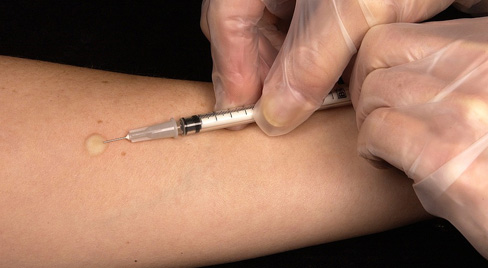
At TrExMed, we now offer an exciting, new and highly sensitive and specific screening test series, which is so far not available anywhere else in the UK. Most clinics/labs here only offer the traditional schistosomal egg IgG antibody ELISA blood test (which has the disadvantages of: i) not being very sensitive to Schistosoma haematobium (the species found in Lake Malaŵi), and ii) remaining falsely positive long after treatment or natural death of the flukes.
However the lab we now use in Leiden, the Netherlands, has recently developed an adult worm (IgM) antibody inflourescence test, which has been shown to be much more sensitive and can also be done as early as 8 weeks, instead of the usual 12. If either of the above antibody tests is positive (and/or there is a strong clinical suspicion of infection), the same sample then progresses to a circulating anodic antigen (CAA) test, which can detect not only all species of Schistosoma pathogenic to humans, but can also distinguish between previous and active infections (since only the latter need to be treated).
The blood sample should ideally be collected at least 8 weeks after your last exposure to fresh water in an at-risk country. Naturally, if you develop symptoms, particularly fever, Dr Bond would see and assess you earlier.
For a simple Schistosomiasis screening (with no other problems), a 'single item' appointment fee of £35 is charged, plus the cost of either the full suite of tests (£109), or simply the CAA test (£74).
If that test then confirms an active infection, a simple, one-dose treatment with praziquantel is available, for which Jim would refer you to the nearest NHS Infectious Diseases unit.
TrExMed is one of the few travel clinics in Edinburgh currently able to offer specialist advice and testing for zika infection, both for men and women.
Zika is a monkey virus, which has been widespread in humans in parts of Africa and Asia for many decades. It is typically spread by mosquito bites, but can also be spread by unprotected sex and from mother-to-baby. Since 2007, there have been several, large-scale outbreaks of a new, 'Asian lineage, and there are now up to 60 countries worldwide with evidence of active, local transmission, mainly in Latin America, the Caribbean, SE Asia, Western Pacific islands and Cape Verde.
80% of people infected with zika experience no symptoms whatsoever. The symptoms in the remainder are relatively short-lived and mild, including transient rash, fever, back and joint pain, conjunctivitis and pain behind the eyes. For more info about zika, please visit our specific Dengue, chikungunya & zika page.
The main clinical concern with the new, 'Asian lineage of zika is an association with birth defects (including brain damage) in some children born to infected mothers. Zika virus has also been found in the sperm of infected men at least two months after infection, and is now known to be transmissible onwards from men who have had no symptoms. The primary aim of testing is therefore to provide reassurance to couples on whether it is safe to either stop using barrier methods of contraception after travel to affected countries and/or to try to get pregnant.
The three specific tests we offer include:
1. Zika antibody (blood) test
2. Zika virus PCR (urine) test
3. Zika virus PCR (semen) test
The choice of test depends on the travel history and dates, and dates of onset of any symptoms (if applicable). We therefore recommend that if you are considering a zika test, that you contact Dr Bond by email to explain your situation in the first instance. He would then advise how best to proceed.
If you are worried about future travel when pregnant, or if planning a family thereafter, we would also be able to advise you in a pre-travel appointment.
In an emergency, e.g. high fever following tropical travel, you should always get this investigated without delay to exclude serious conditions such as malaria (see red box above right). If you have a fever and an unusual bleeding or bruising tendency within two weeks of visiting the tropics, you should phone ahead to A&E before attending, just in case it is a viral haemorrhagic fever (extremely rare, but highly contagious).
For less urgent symptoms, which you suspect may be related to your travel or stay abroad, please contact Dr Bond by email, briefly outlining your symptoms, the dates they started, and your travel dates and destination. He will then respond directly and advise the most appropriate course of action.
If he feels he could help, he will then arrange a post-travel appointment to assess you further and/or treat you if necessary. If he feels it is not within his area of expertise, he may refer you to an another specialist, either via the NHS or privately.
Malaria is a medical emergency!
If you suspect that you might have malaria, and/or are acutely unwell, you should contact your GP, out-of-hours service or local A&E Dept. as soon as possible. Remember to mention that you have been travelling.